
Written scope
Itemized before work starts
When a pipe bursts at 2 a.m. or a water heater lets go before a holiday, you need water damage repair Cary NC that stops the damage instead of just mopping it up. We handle emergency water damage repair in Cary NC for homeowners and property managers across Wake County - extraction, drying, and the permanent fix. One call, one crew, one invoice.
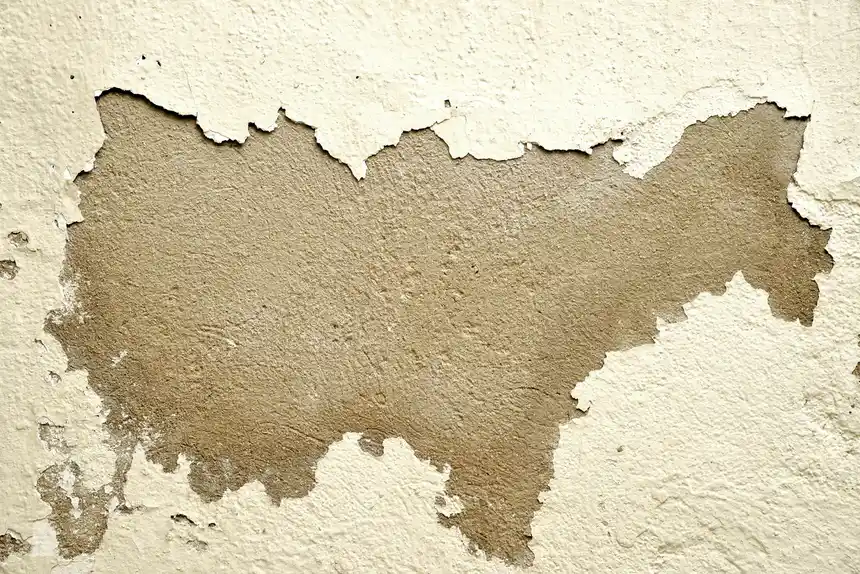
Every job starts with an inspection and a written scope. From there, the work covers source control, extraction, structural drying, antimicrobial treatment, and the repairs needed to put the space back the way it was. If we find something outside the original scope - a cracked drain line, rotted subfloor - we stop and price it before touching it.
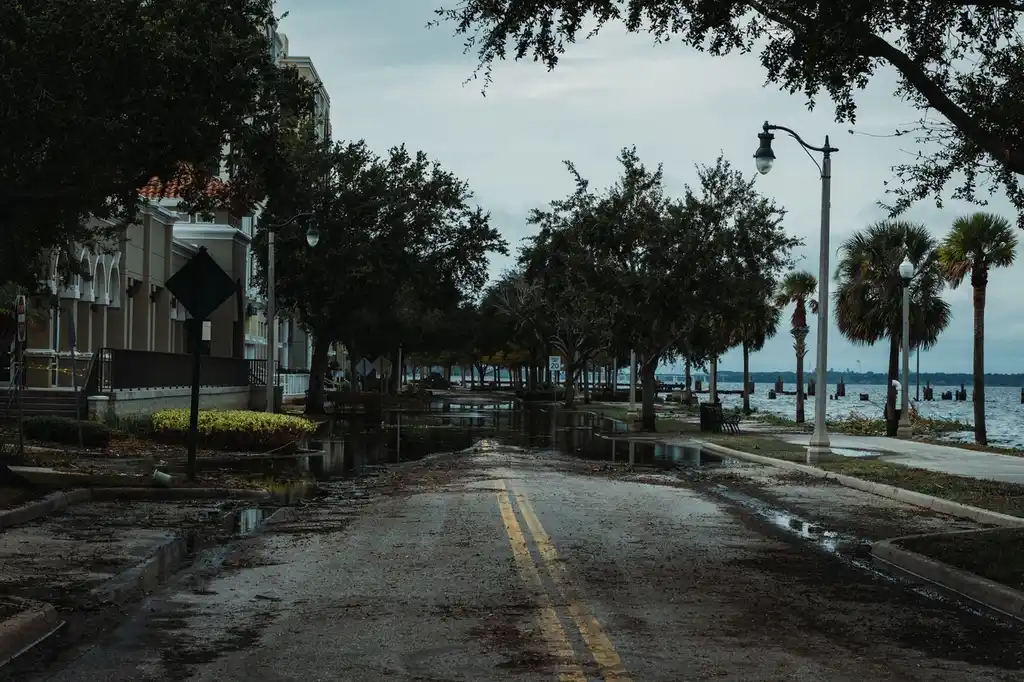
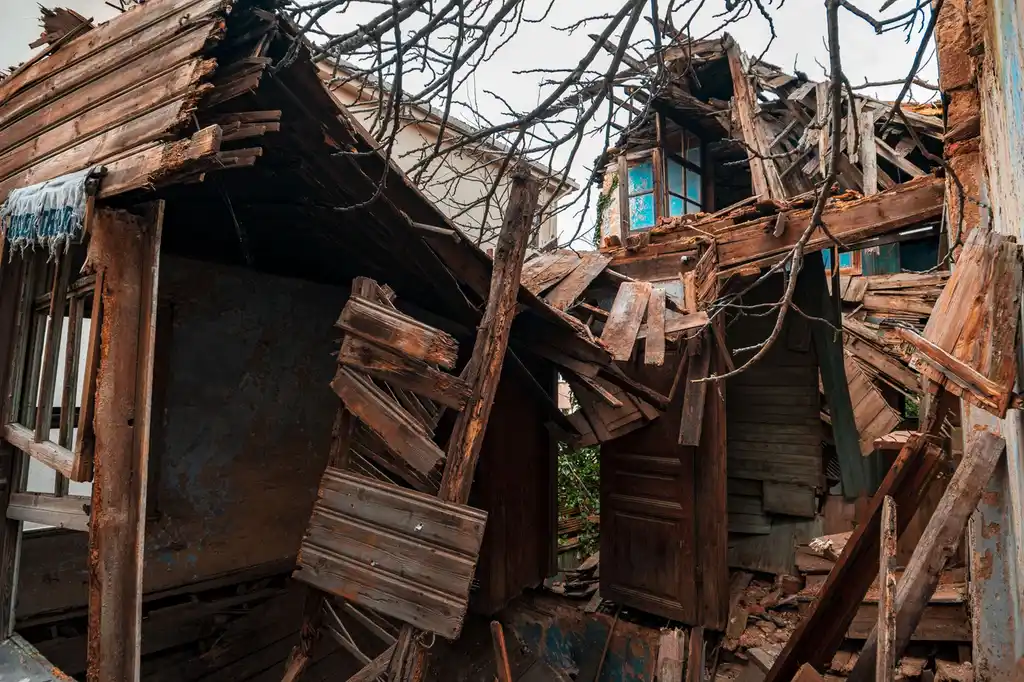
We handle water damage in houses, townhomes and apartments across Cary. From a burst supply line to a slow slab leak, we extract, dry and repair so you can get back to normal.
We work with property managers, business owners and facility teams across Cary. We schedule around your operating hours and document everything for your carrier and your records.
Water damage repair Cary NC is the full sequence of stopping the source, pulling the water out, drying the structure to standard, and rebuilding what got wet. It is not a shop-vac job. We use moisture meters, thermal imaging cameras and hygrometers to map how far water traveled through drywall, insulation and wood subflooring - often 3 to 4 feet past the visible stain. Then we extract, dry, treat with antimicrobial treatments, and repair.
In Cary, most calls trace back to the same handful of failures: burst pipes after a hard freeze, slab leaks under a kitchen floor, appliance failures, roof leaks, sewage backups and storm flooding. A slow supply-line drip behind a cabinet can soak a subfloor for weeks before you smell it. If you need a water damage fix Cary NC same day, call (919) 555-0134 and we will get a crew moving.
Water damage repair works when the source is stopped, the structure is dried to standard, and the repair is done by the same crew.
Five stages, from the first phone call to the final walkthrough. Most residential jobs run three to five days of drying plus repair time, depending on how far the water traveled.
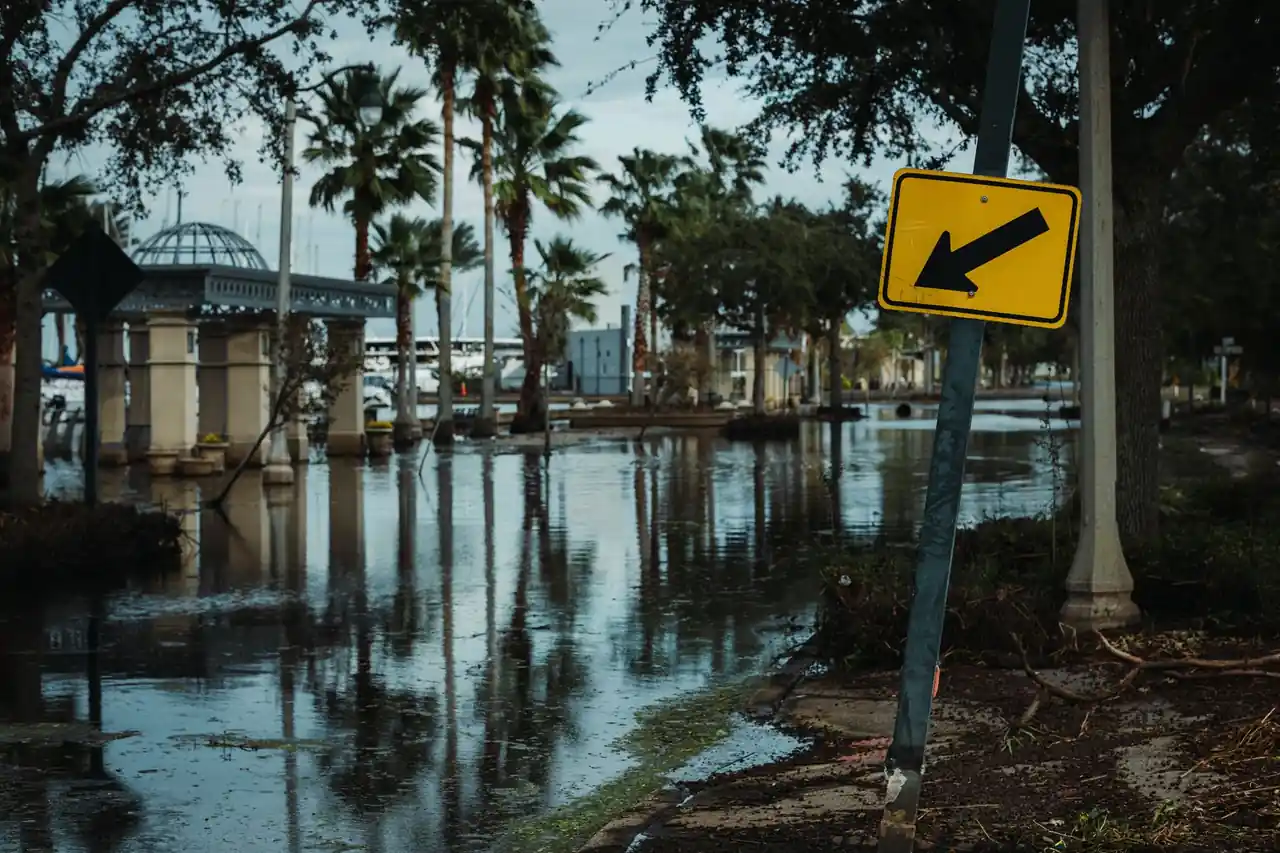
You call (919) 555-0134 and describe what happened. We tell you how to shut off the water or gas if you have not already, and what to move out of the way. We answer around the clock and connect you with a local Cary provider. The person who answers will give you an honest arrival window for the provider.
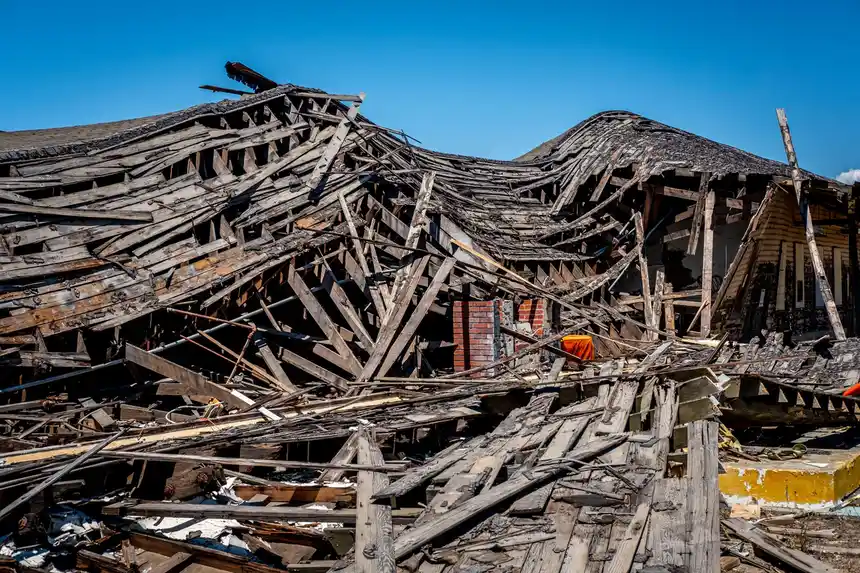
On site, we walk the space with moisture meters, a thermal imaging camera and an infrared thermometer to find the wet boundaries. We check behind baseboards, under cabinets and inside wall cavities with a boroscope. You get a written scope before any work starts.
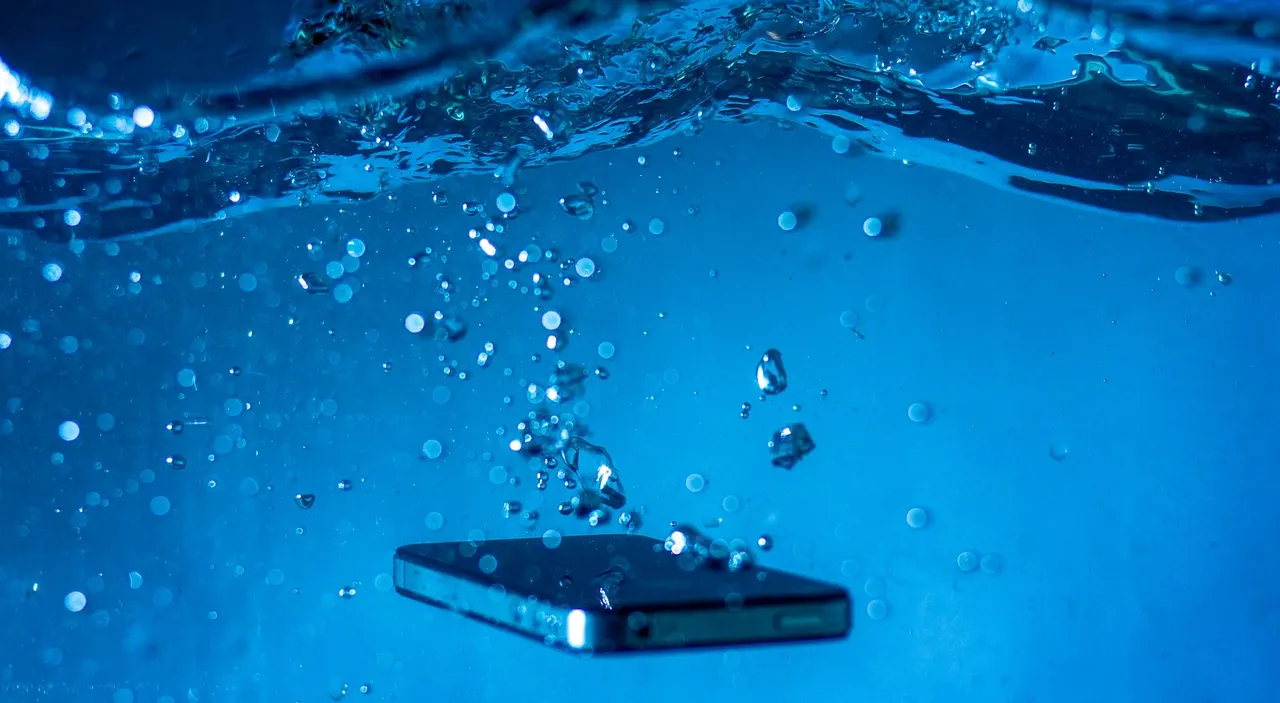
Standing water comes out with water extraction units and Shop-Vac units for tight spots. Then we set industrial air movers and dehumidifiers - Dri-Eaz and Phoenix Restoration Equipment - and run them 24 hours a day. Desiccant dehumidification is used in cool or tightly sealed spaces where refrigerant units stall.

Affected framing and cavities get antimicrobial treatments to stop mold growth. We return daily to log moisture readings and adjust equipment placement. Air scrubbers run to capture airborne spores. Drying typically takes three to five days for a single room, longer for slab or multi-room losses.
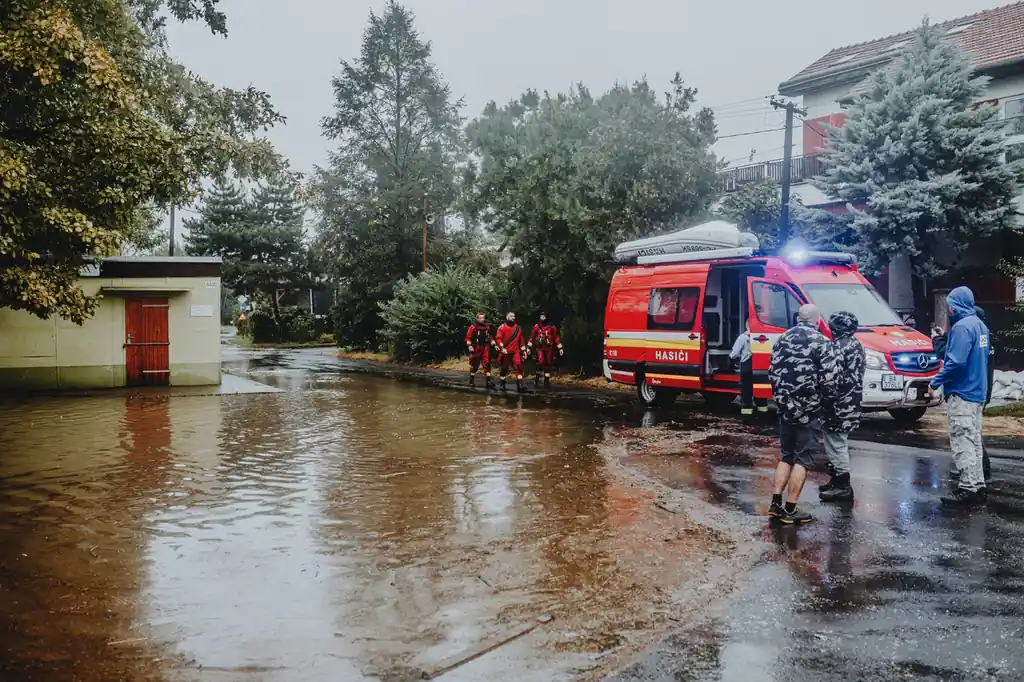
Once readings hit target, we remove damaged drywall and insulation, replace wood subflooring where needed, and rebuild. You get a final moisture report, photos of the completed work, and a walkthrough so you can see exactly what was done and why.
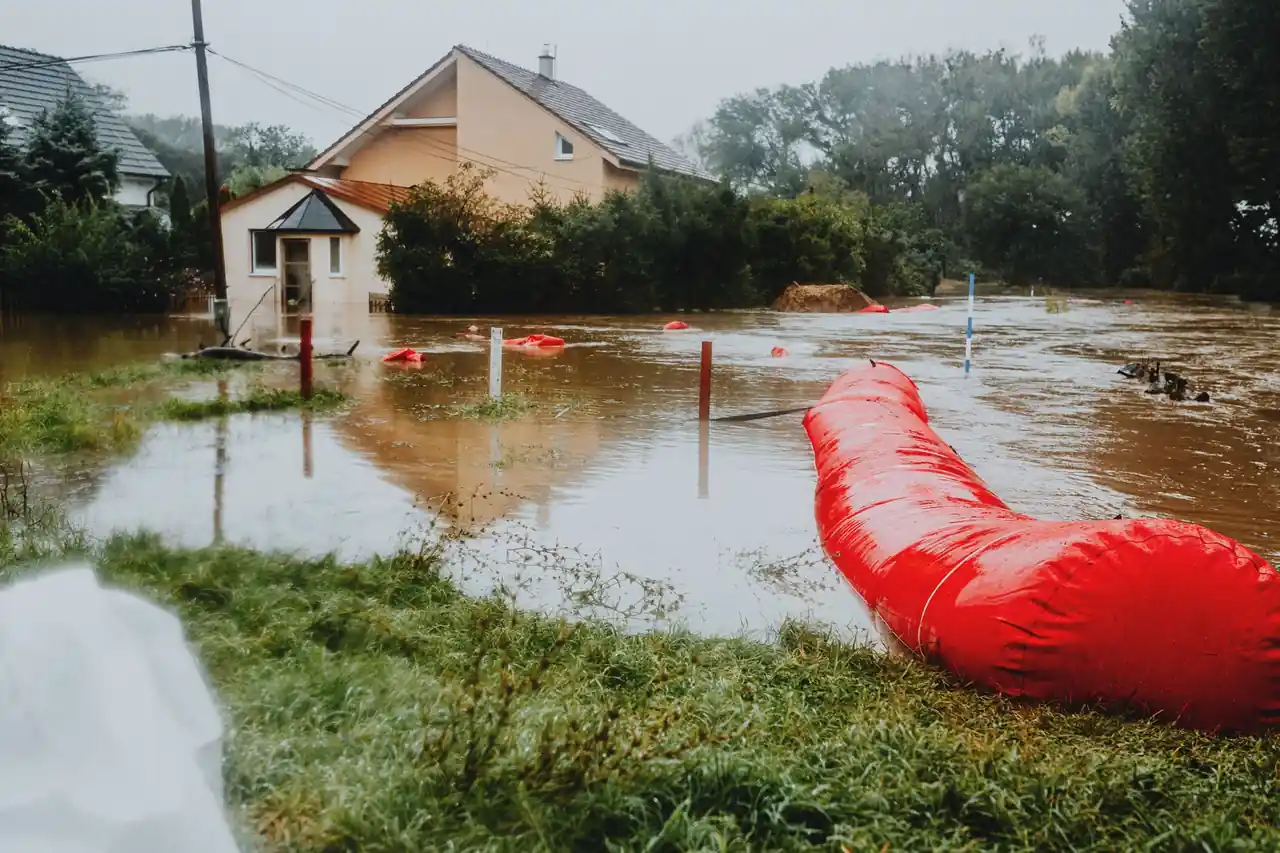
Measure moisture content in drywall, wood and air. We log readings daily to confirm the structure is drying on schedule.
Find hidden moisture behind walls, under floors and above ceilings without tearing anything open. Essential for slab leaks and slow drips.
Dri-Eaz and Phoenix Restoration Equipment units move air across wet surfaces and pull moisture out of the air. Run continuously until readings hit target.
Truck-mounted and portable units remove standing water fast. Shop-Vac units handle tight spaces like cabinet bases and closets.
Inspect inside wall cavities and check surface temperatures to confirm where water traveled and whether drying is complete.
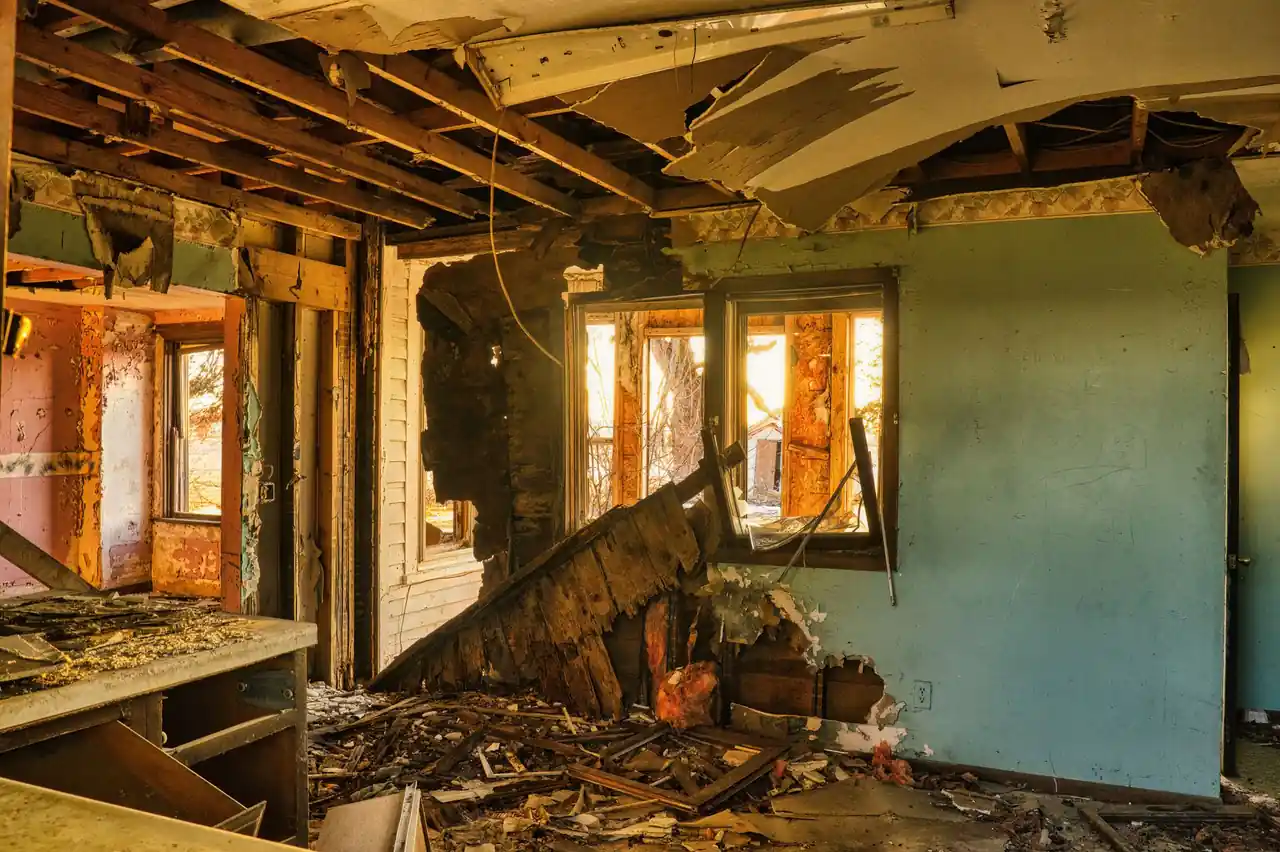
Capture airborne spores and odors during drying. Used on Category 3 losses and any job where mold growth is already present.
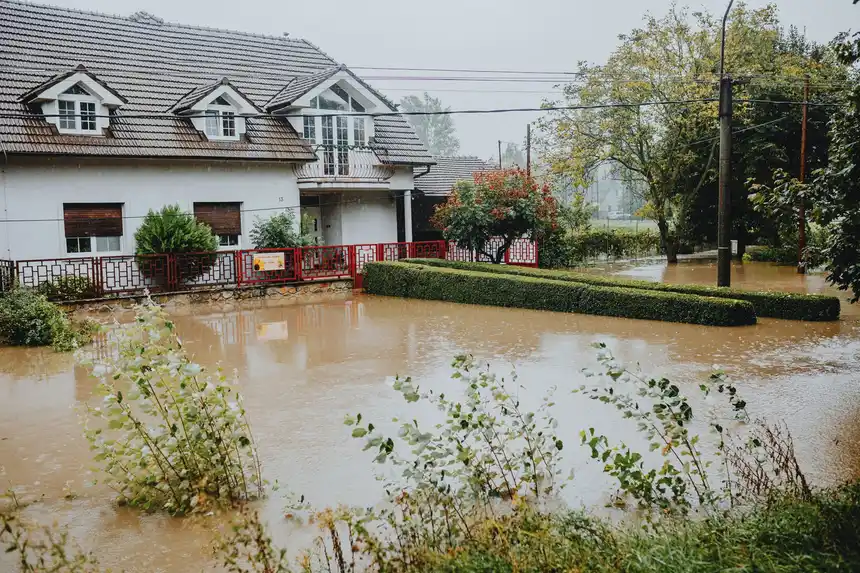
The industry standard for water damage restoration. It defines how we classify the water, set drying goals, and document the job. Following it is what makes our drying logs acceptable to insurance adjusters.
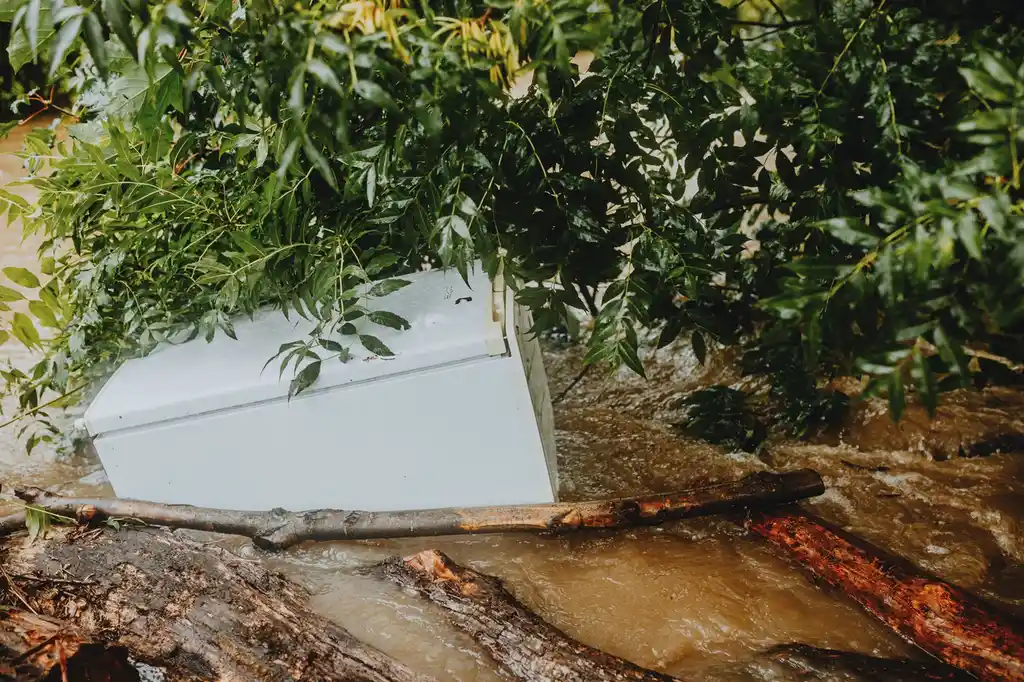
Category 1 is clean supply-line water. Category 2 is gray water from appliances or tubs. Category 3 is sewage or floodwater. The category determines what can be dried and what has to be removed.
We shut off the supply, extract the water, and set drying equipment the same visit. The unit itself gets replaced by a plumber, but the water damage - drywall, baseboards, any stored items - is handled by us. Drying done in three to four days. Repairs finished the following week. No holiday weekend spent watching a wet garage.
We inspect with moisture meters and a boroscope, confirm how far the moisture traveled, dry the cabinet and subfloor, treat with antimicrobials, and repair the damaged wood and drywall. The cabinet is saved, the subfloor is dry, and the repair is finished without replacing the whole kitchen floor.
We extract the standing water, set air movers and dehumidifiers, and monitor the hardwood daily. If the floor can be dried in place, we do that. If cupping has already set in, we replace the affected boards. Hardwood dried in place in most cases, with matching boards used for any sections that had to be replaced.
We extract from both floors, open the ceiling to dry the cavity, treat the framing, and then repair the ceiling drywall and repaint. The bathroom floor gets checked for moisture under the tile. Both floors dry, ceiling repaired and painted, and the bathroom is back in use within a week.
Cary sits in Wake County, and the local building stock shapes how we work. A lot of homes here were built in the 1990s and 2000s with copper supply lines and PEX, and both fail in different ways - copper at pinhole leaks, PEX at fittings. Winter freezes are the biggest driver of emergency calls; a hard freeze can burst three or four lines in a single neighborhood overnight. Summer storms bring the other wave, especially in low-lying areas where water pushes under doors and through crawl space vents. The provider works to the IICRC S500 standard and documents the job in writing so adjusters can process claims without back-and-forth. If you need water damage fix Cary North Carolina same day, call (919) 555-0134 and we will get a crew moving.
Most water damage calls come down to a handful of failures. Here is what we see most often in Cary, what happens if you wait, and how we handle it.
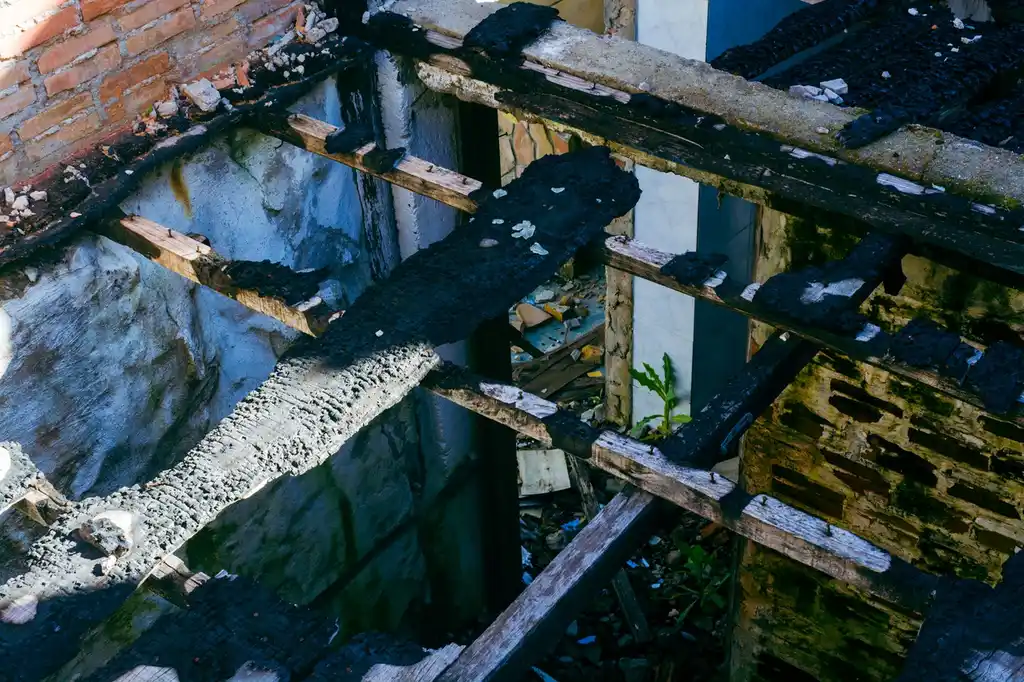
We shut off the water, extract standing water, and dry the wall cavity and subfloor with air movers and dehumidifiers. If the pipe itself needs repair, we coordinate that and then rebuild the drywall and paint. A burst supply line can push 8 to 10 gallons a minute into a wall or ceiling. Within an hour, water is in the subfloor and the ceiling below. Within 48 hours, mold starts.
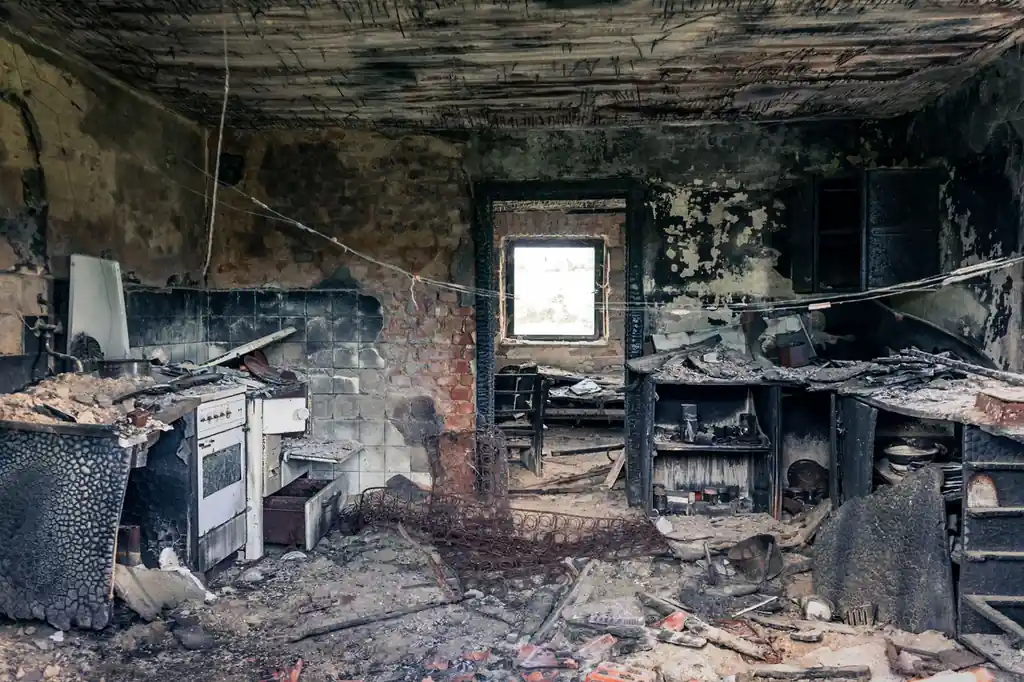
We locate the leak with thermal imaging and moisture meters, isolate the affected area, dry it, and repair the flooring and subfloor. We document everything for your insurance claim, since slab leaks are usually covered. Slab leaks are slow and hidden. By the time you notice cupping hardwood or a warm spot on the floor, the subfloor and sometimes the slab itself have been wet for weeks.
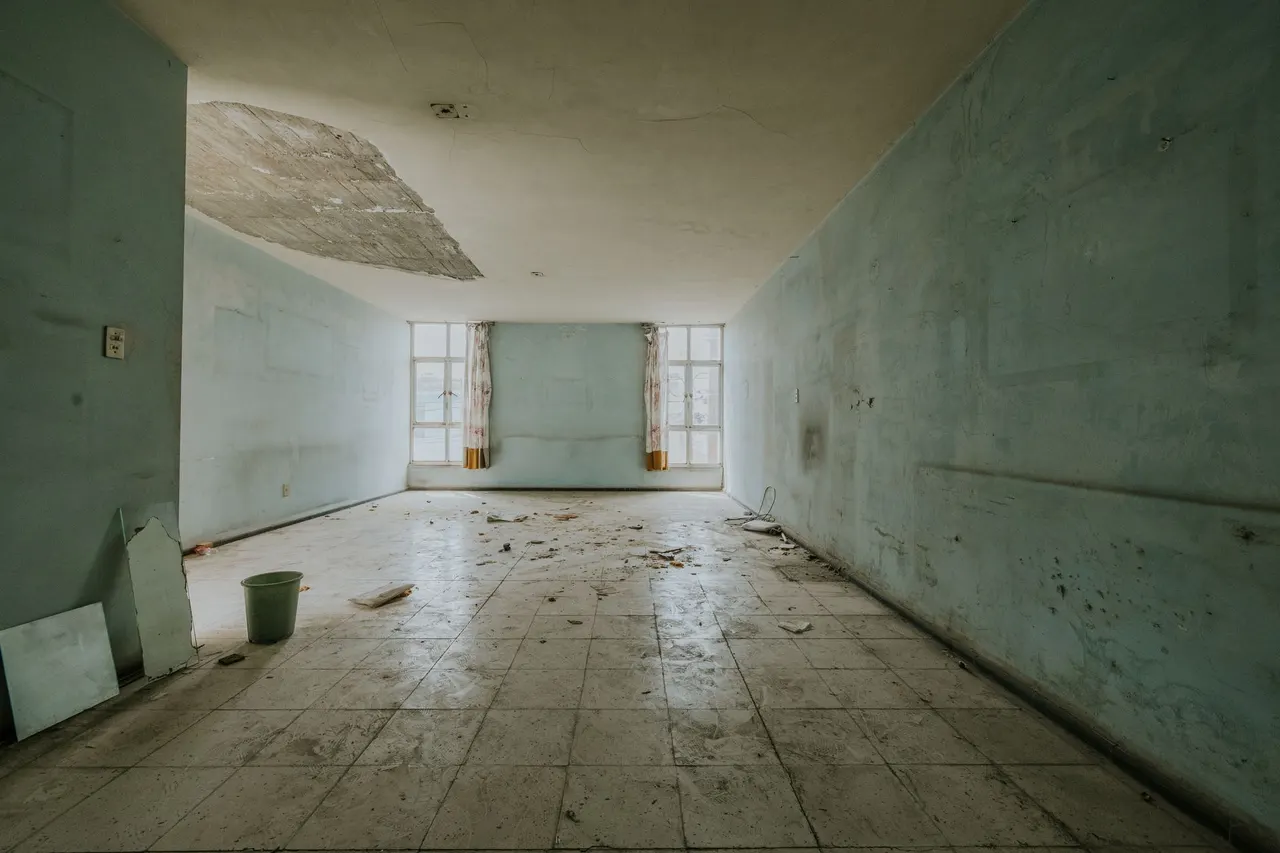
We remove affected porous materials, treat the framing and slab with antimicrobials, dry the structure, and rebuild. We also run air scrubbers during the work to keep the rest of the house clean. Sewage is Category 3 water - contaminated. Anything porous it touches has to be removed, not dried. Waiting makes the contamination worse and the removal scope bigger.
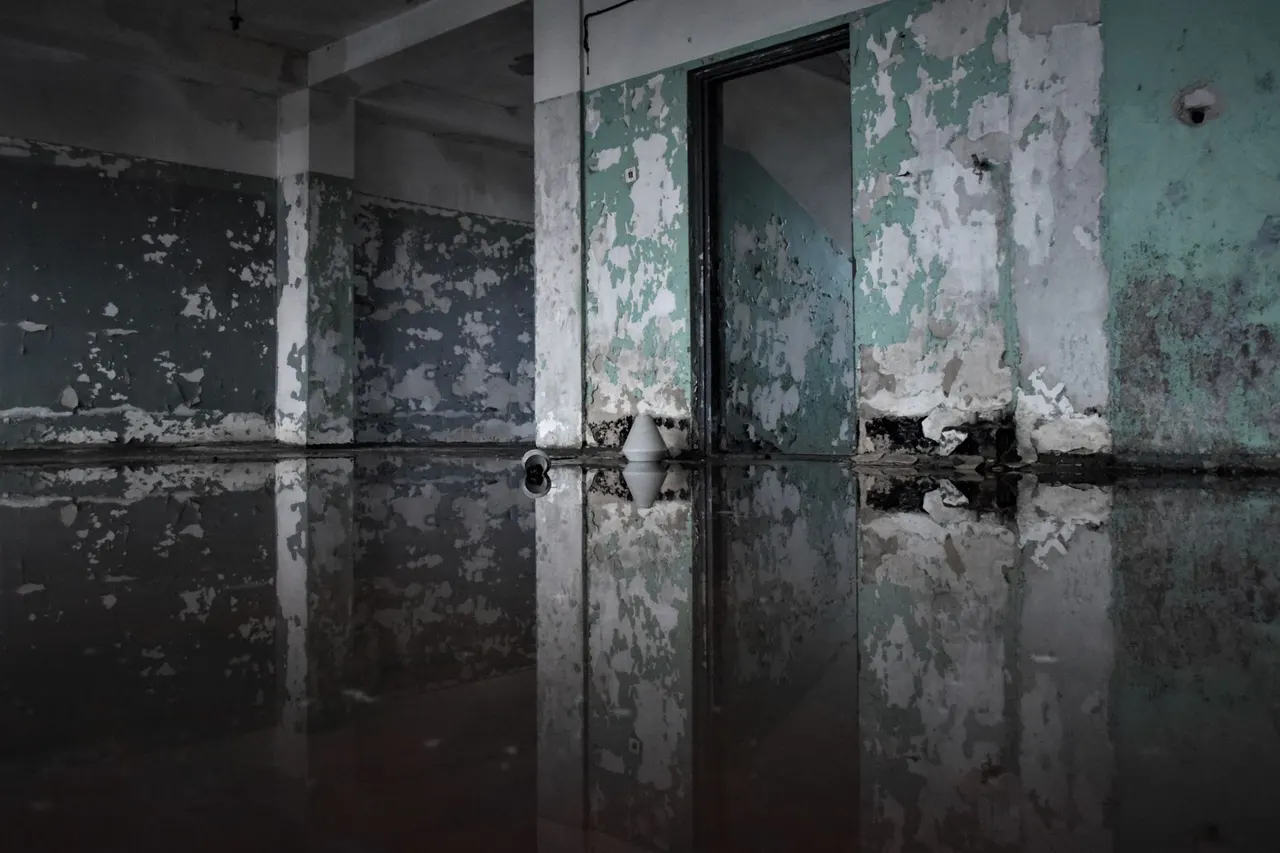
We extract, remove affected materials to the flood line, treat with antimicrobials, and dry the structure. Then we rebuild - drywall, insulation, trim and paint - so the space is usable again. Floodwater carries silt and contaminants. It soaks into drywall, insulation and flooring fast, and it can wick up walls 12 to 18 inches in a matter of hours.
The person who answers will give you an honest arrival window for the provider. We shut off the source, extract standing water, and set drying equipment before mold has a chance to colonize - which starts in 24 to 48 hours.
We do not guess when a room is dry. Moisture meters and hygrometers give us readings at the baseboard, mid-wall and ceiling, and we log them daily until the structure hits target. That documentation is what your insurance adjuster needs to close the claim.
Drywall, insulation, trim, paint and subfloor repairs are done by our own crew, not subbed out. That means one point of contact from extraction through the final coat of paint, and no waiting two weeks for a second company to show up.
The provider photograph affected materials, record moisture readings, and build an written scope. Adjusters accept it because it is itemized the way they expect. You get a copy of everything, including the drying log, for your records.
Clear records you can keep and share.
Itemized before work starts
Readings recorded and shared
Completed work reviewed with you
The first 24 to 48 hours decide whether a water loss is a drying job or a tear-out. What you do before the crew arrives matters as much as what we do after.
Find your main shutoff and close it before anything else. If the source is a water heater, shut off the gas or power too. Stopping the flow is the single biggest thing you can do.
Take photos and video of the water and the affected rooms before you clean up. Adjusters want to see the loss as it was, not after it has been tidied.
Category 3 water is contaminated. Running a shop vac spreads it and can make you sick. Leave sewage cleanup to a crew with the right protective gear and treatment products.

Outside these areas? Call and ask - we may still be able to help.(919) 555-0134
Step 1 - You call. Call (919) 555-0134 and tell us what happened: where the water is, and where it may be coming from.
Step 2 - We connect you. We connect you with a local Cary water damage provider who handles that kind of job.
Step 3 - The provider assesses and quotes. The provider checks the damage, explains the scope in writing, and gives you the price before any work starts. Ask them about their license, insurance, and training before you hire.
There is no flat price we can honestly quote on a website. The cost depends on how much of the home is affected, how long the water sat before anyone found it, the category of the water, and which materials have to come out. When you call, we connect you with a local Cary provider. That provider checks the damage and gives you a written scope and price before any work starts, so you decide with the real number in front of you.
Start with us. Cary Water Removal & Restoration is a referral service: call (919) 555-0134, tell us what happened, and we connect you with a local Cary provider who does this kind of work. The provider checks the damage and gives you a written scope before starting.
Yes, in most cases. If the water was clean and a provider gets to it within 24 to 48 hours, drywall, hardwood and framing can often be dried in place rather than torn out. We use moisture meters and thermal imaging to confirm what is salvageable. Category 3 water - sewage or floodwater - requires removal of affected porous materials regardless of timing.
Most homeowners policies cover sudden and accidental water damage, like a burst pipe or a failed appliance. Damage from rising flood water usually needs a separate flood policy. Ask the provider who visits to document the damage with photos and moisture readings for your adjuster. Billing is worked out between you, the provider, and your carrier.
Call (919) 555-0134 and we will connect you with a local Cary provider who handles this work. We will shut off the source, stop the spread, and give you a written scope before any repair work starts. Same-day service across Cary and Wake County.
If water is spreading in your Cary home, call us at (919) 555-0134. We answer around the clock and connect you with a local Cary provider. If it's not an emergency, email us and we'll get back to you the same business day.