
Written scope
Line-item estimate before work begins.
When water is rising in your Cary home, every hour counts. Our flood damage restoration Cary NC team handles emergency flood cleanup in Cary NC from the first call to the final moisture reading. We extract standing water, dry structural cavities, and document everything for your insurance claim. Whether it is a burst pipe in Preston or a storm-flooded basement near Lochmere, we are on-site fast and we do not leave until the readings are dry.
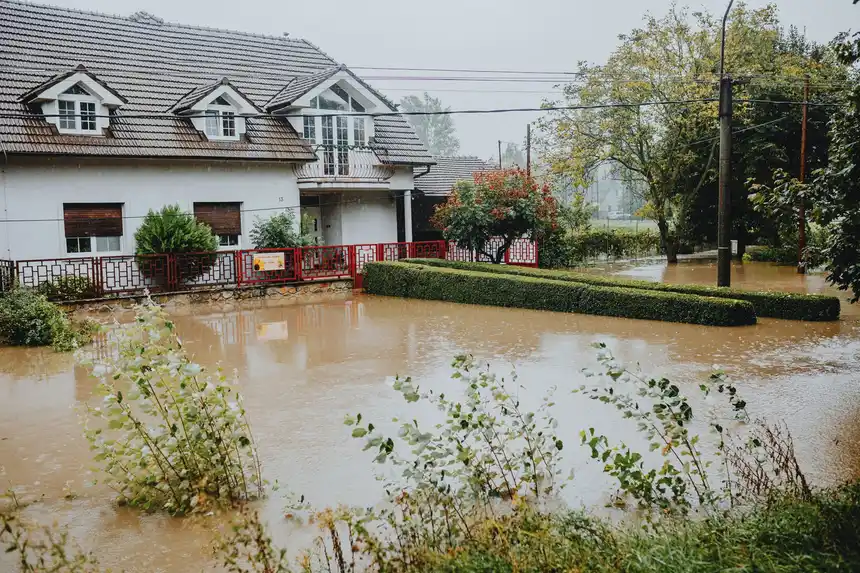
Every flood damage restoration Cary NC job includes emergency response, water extraction, structural drying, antimicrobial treatment, and final moisture verification. We document everything for your insurance claim. Here is what is covered in a standard scope.
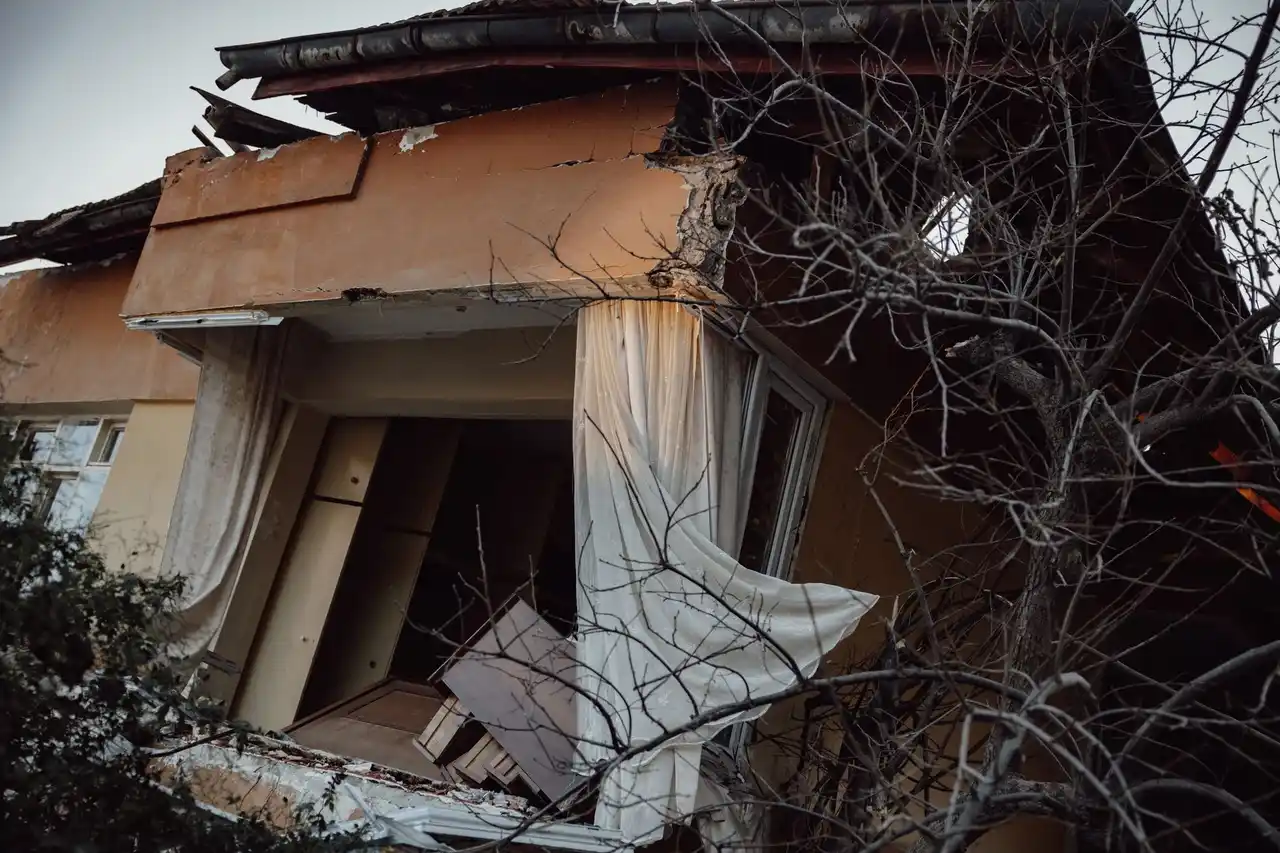
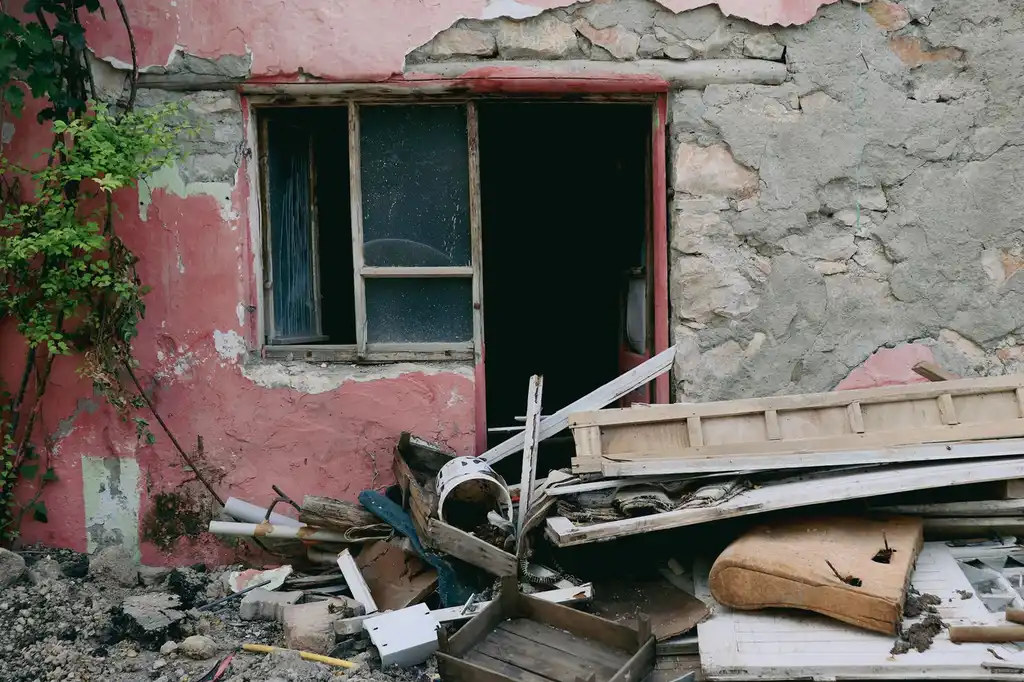
We handle flooding in houses, townhomes, and apartments across Cary. Whether it is a burst pipe, a failed water heater, or storm water in a basement, we extract, dry, and document the whole job.
We work with property managers, business owners, and facility teams across Cary. We schedule around your operating hours and document everything your carrier needs to process the claim.
Flood damage restoration in Cary, NC means removing standing water and drying saturated building materials, so a flooded home or business is safe to use again. It is not just a wet-vac and a fan. The provider uses moisture meters and thermal imaging cameras to map where water traveled - behind drywall, under wood subflooring, and into insulation. Then comes extraction, drying, and treatment for microbial growth. A final hygrometer check confirms every cavity reads dry before anything is closed up.
In Cary, most of our calls come from three sources: burst pipes during a winter freeze, appliance failures like a failed water heater or washing machine line, and storm flooding after a heavy rain event. Homes near Crabtree Creek and the American Tobacco Trail lowlands are especially prone to foundation leaks and slab seepage. If you are searching for flood cleanup near me Cary NC at 2 a.m., we answer the phone and we roll. We also handle sewage backups, which require antimicrobial treatments and a different safety protocol than clean-water losses.
Water goes where you cannot see it. We dry what the meter finds, not just what your eyes can.
Every flood is different, but the sequence does not change. Here is exactly what happens from the moment you call us to the day we hand your home back.
You call (919) 555-0134 and reach a real person, not a voicemail. We ask what flooded, how deep, and whether the water is still running. We answer around the clock and connect you with a local Cary provider. The person who answers will give you an honest arrival window for the provider.
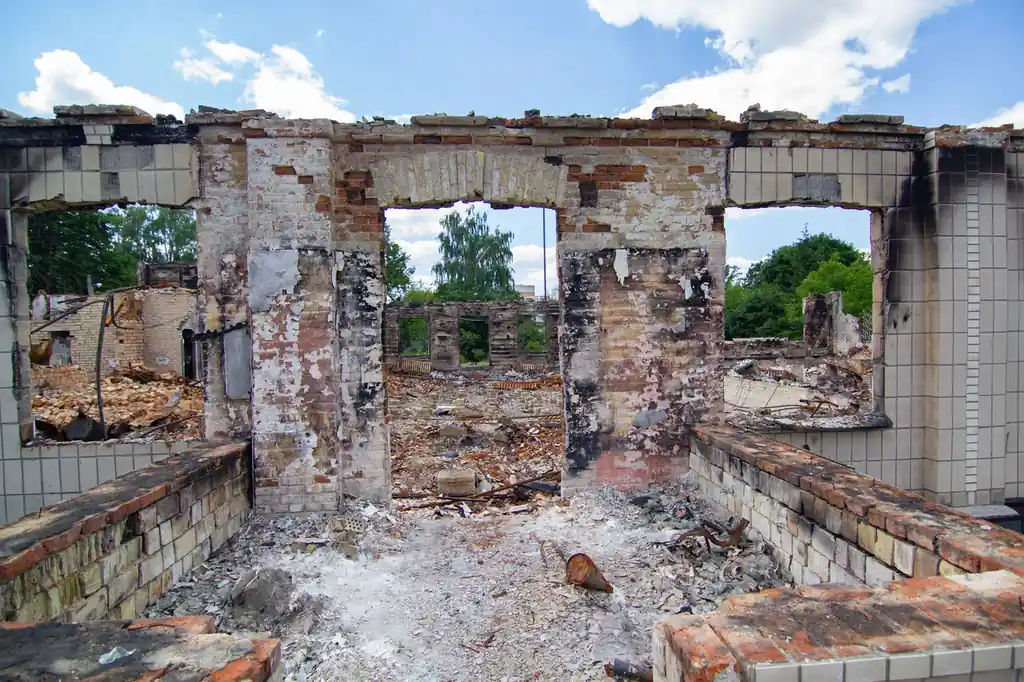
We walk the property with moisture meters, thermal imaging cameras, and a boroscope to find water you cannot see. We check behind baseboards, inside wall cavities, and under cabinets. This takes 30 to 60 minutes and tells us exactly how far the water traveled and what needs to come out.
Truck-mounted and portable water extraction units pull standing water from carpet, hardwood, tile, and concrete. For deep flooding, we may need to remove carpet and pad first. Extraction typically takes two to six hours depending on square footage and water depth.
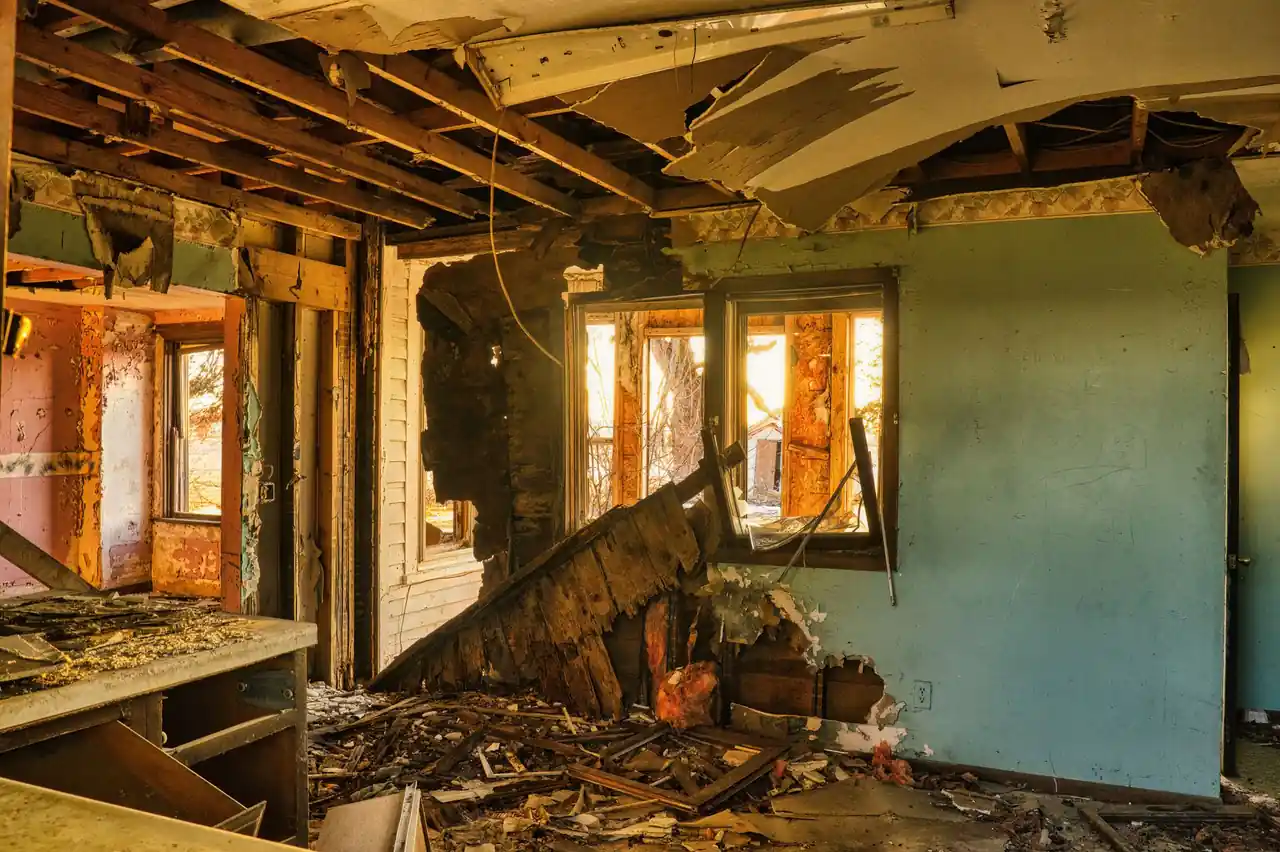
We position industrial air movers and dehumidifiers to create a drying chamber. Desiccant units handle humid North Carolina summers; refrigerant units work well in cooler months. We check readings daily and adjust equipment placement. Most residential jobs dry in three to five days.
Before we pull equipment, we verify with hygrometers and moisture meters that every material reads at or below dry standard. We provide a written drying log and photo documentation for your records and your insurance claim. Then we walk you through what was done and what to watch for.
We use these to find water behind walls, under floors, and in ceiling cavities that you cannot see. Thermal imaging shows temperature differences caused by evaporating moisture.
Air movers create airflow across wet surfaces to speed evaporation. Dehumidifiers pull moisture from the air so it does not re-condense on surfaces. We use Dri-Eaz and Phoenix Restoration Equipment units.
These pull hundreds of gallons per hour from carpet, hardwood, and concrete. For deep flooding, we use portable extraction units in areas the truck cannot reach.
Desiccant units handle humid North Carolina summers when standard refrigerant dehumidifiers cannot keep up. They pull moisture from the air using a desiccant wheel.

Air scrubbers filter airborne particles and mold spores during remediation. Ozone generators neutralize odors after sewage backups and storm flooding.
Boroscopes let us see inside wall cavities without cutting large holes. Infrared thermometers measure surface temperatures to identify wet areas.
We use hygrometers to measure relative humidity and DeWalt and RIDGID moisture meters to check material moisture content. These readings tell us when the structure is dry.
This is the industry standard for water damage restoration. It defines water categories, drying goals, and documentation requirements. We follow it on every job, which means your adjuster gets documentation in the format they expect.
Call us immediately at (919) 555-0134. We answer around the clock and connect you with a local Cary provider. We extract, dry, and document the damage for your claim. Your floors and walls are dried before mold takes hold, and you have a complete insurance package to file your claim.
We arrive with truck-mounted extraction units and pull the water fast. We remove saturated carpet and pad, dry the concrete, and treat for mold. We also check for foundation seepage points. Your basement is dry within three to five days and you know what caused the flooding so you can fix the drainage.
We extract the water, pull wet baseboards to access wall cavities, and set up drying equipment. We document everything for your insurance claim and handle the repairs after drying. Your kitchen and hallway are restored to pre-loss condition and your insurance claim is documented from day one.
We treat this as a category 3 loss. We contain the area, remove all contaminated materials, apply antimicrobial treatments, and run air scrubbers throughout the job. The contamination is fully removed, the area is safe, and your home passes a final moisture and air quality check.
Cary sits in Wake County, where humid summers and occasional heavy rain events create ideal conditions for flooding. Homes near Crabtree Creek and low-lying areas along the American Tobacco Trail are prone to foundation seepage and storm flooding. Winter freezes burst pipes in older homes with copper plumbing, especially in neighborhoods like Preston and Lochmere. We know the building stock here. Many Cary homes have crawl spaces that trap moisture, and finished basements that flood when drainage fails. We follow NC building codes for repairs and pull permits when required. If you need flood cleanup Cary North Carolina same day, we are set up to respond fast because we are local. We also work with Wake County adjusters regularly, so we know what documentation they need.
Flooding in Cary comes from many sources. Here are the most common problems we see and how we fix them.
We locate the break, shut off the water, extract standing water, and use thermal imaging cameras to find moisture behind walls. We dry the cavities with air movers and dehumidifiers, then repair the pipe and restore the damaged materials. Water travels behind drywall and into insulation, causing hidden mold growth within 24 to 48 hours. Floors buckle and subfloors rot if not dried quickly.
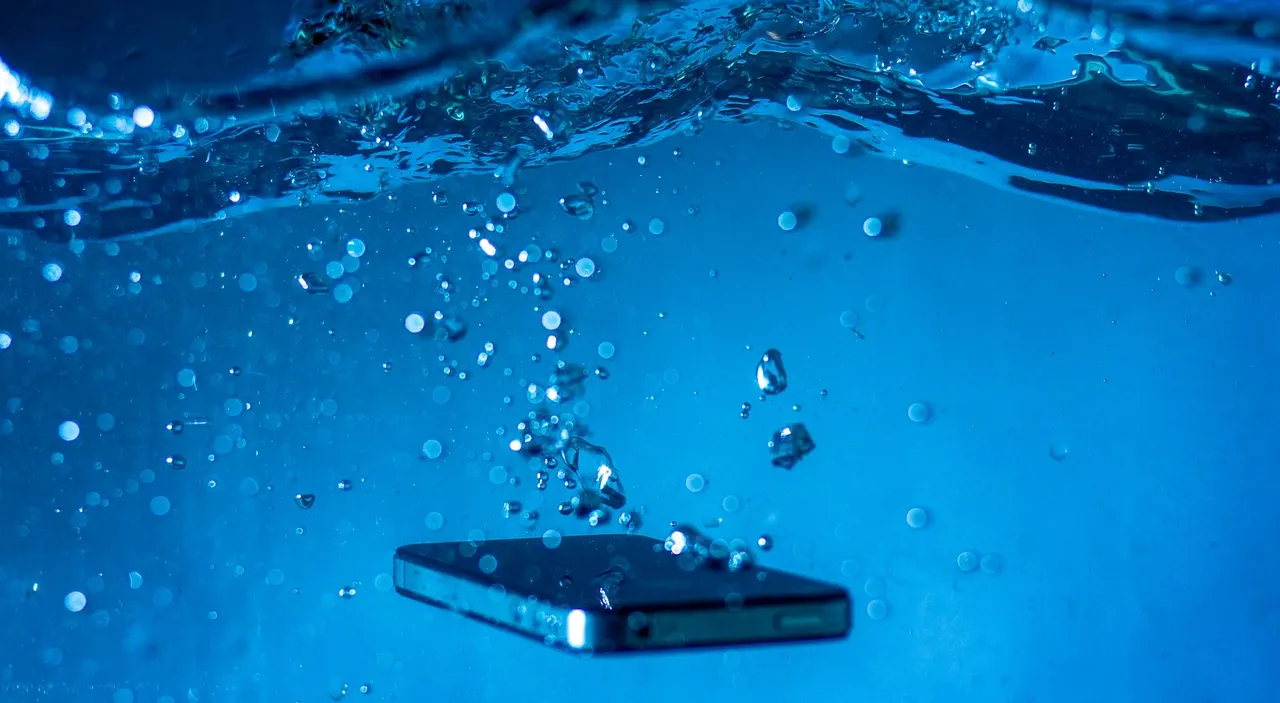
We extract the water, dry the concrete and framing, and treat for mold. We also identify where the water entered so you can address the drainage issue and prevent it from happening again. Heavy rain overwhelms drainage and water seeps through foundations into basements and crawl spaces. Standing water damages stored belongings and creates ideal conditions for mold.

We contain the area with polyethylene sheeting, remove all contaminated materials, and apply antimicrobial treatments. Air scrubbers run throughout the job to keep the air clean. Providers follow IICRC S500 protocols for category 3 water. Sewage is category 3 water, which means it carries harmful bacteria and pathogens. Any material it touches must be removed and disposed of properly. The health risk is serious.
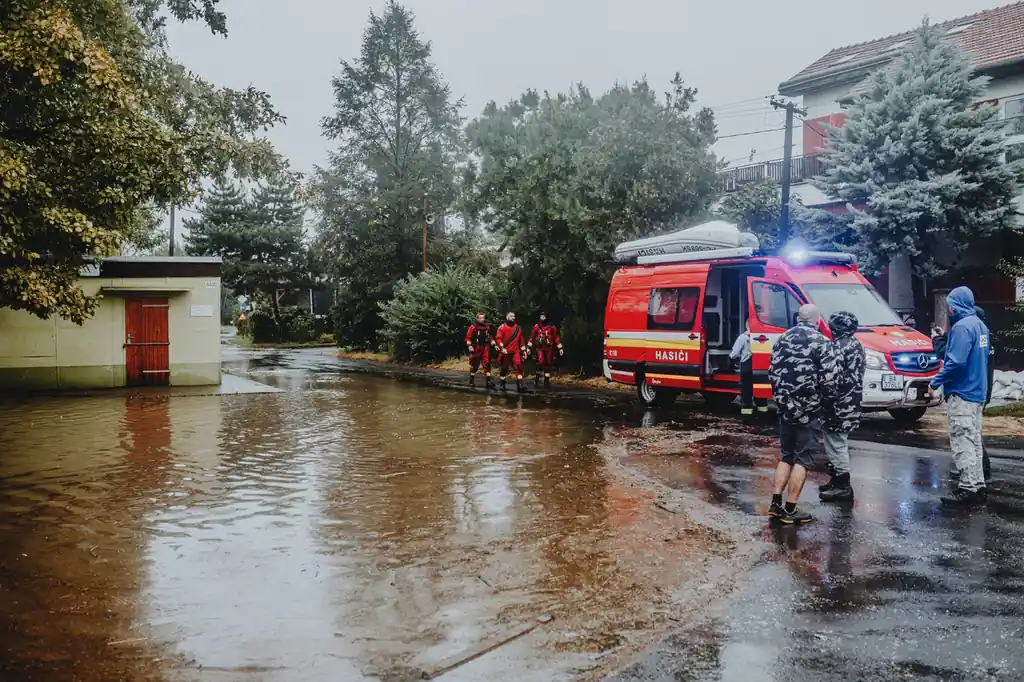
We extract the water, pull wet baseboards and toe kicks to access wall cavities, and dry everything with air movers. We document the damage for your insurance claim and can handle the repairs once drying is complete. A failed water heater or washing machine line can release dozens of gallons before you notice. Water spreads under cabinets and into adjacent rooms, damaging flooring and drywall.
Standing water causes more damage every hour it sits. Our water extraction units pull hundreds of gallons per hour, and we start the moment we arrive. We answer around the clock and connect you with a local Cary provider.
Extraction is only half the job. We set industrial air movers and dehumidifiers to dry wall cavities, subfloors, and ceiling voids. Desiccant dehumidification media handles humid summer air that standard refrigerant units cannot keep up with. We monitor daily with moisture meters and infrared thermometers until your structure hits dry standard.
The provider photograph every affected room, log moisture readings, and build a scope in writing that adjusters recognize. That means fewer back-and-forth questions and a smoother claim. If you need affordable flood damage restoration Cary NC that also protects your claim, this is how we do it.
Mold can colonize a wet wall in 24 to 48 hours. We apply antimicrobial treatments to framing and cavities after extraction, then dry fast enough to keep spores from taking hold. If mold is already present, we contain the area with polyethylene sheeting and run air scrubbers before we disturb anything.
Clear records you can keep and share.
Line-item estimate before work begins.
Daily moisture readings at every checkpoint.
Before, during, and after photos for your claim.
Not all water damage is covered the same way. Clean water from a supply line is usually covered. Storm flooding and rising groundwater typically need a separate flood policy.
Category 1 is clean water from a supply line. Category 2 is gray water from appliances. Category 3 is sewage or storm water and requires full removal of contaminated materials.
Hardwood floors and some drywall can be dried in place if you act fast. Carpet, pad, and insulation usually need removal. The category of water determines what can stay.
Mold can start growing in 24 to 48 hours. The faster you extract and start drying, the less likely you are to need full mold remediation. Speed matters more than anything else.
Outside these areas? Call and ask - we may still be able to help.(919) 555-0134
Step 1 - You call. Call (919) 555-0134 and tell us what happened: where the water is, and where it may be coming from.
Step 2 - We connect you. We connect you with a local Cary water damage provider who handles that kind of job.
Step 3 - The provider assesses and quotes. The provider checks the damage, explains the scope in writing, and gives you the price before any work starts. Ask them about their license, insurance, and training before you hire.
There is no flat price we can honestly quote on a website. The cost depends on how much of the home is affected, how long the water sat before anyone found it, the category of the water, and which materials have to come out. When you call, we connect you with a local Cary provider. That provider checks the damage and gives you a written scope and price before any work starts, so you decide with the real number in front of you.
Start with us. Cary Water Removal & Restoration is a referral service: call (919) 555-0134, tell us what happened, and we connect you with a local Cary provider who does this kind of work. The provider checks the damage and gives you a written scope before starting.
Yes. Most flood damage is restorable if you act within 24 to 48 hours. The provider extracts water, dries structural cavities, treats for mold, and repair or replace damaged materials. Hardwood floors can often be dried in place with mats. Drywall that has absorbed contaminated water usually needs removal and replacement. The key is fast response and thorough drying, which is exactly what our flood damage restoration in Cary North Carolina team delivers.
Most homeowners policies cover sudden and accidental water damage, like a burst pipe or a failed appliance. Damage from rising flood water usually needs a separate flood policy. Ask the provider who visits to document the damage with photos and moisture readings for your adjuster. Billing is worked out between you, the provider, and your carrier.
Water damage gets worse by the hour. Call (919) 555-0134 and we will connect you with a local Cary provider who handles this work. Locally based, and ready to help. We handle the extraction, the drying, the documentation, and the repairs.
If water is spreading in your Cary home, call us at (919) 555-0134. We answer around the clock and connect you with a local Cary provider. If it's not an emergency, email us and we'll get back to you the same business day.